


Book Review
23级公英一班吴佳琪
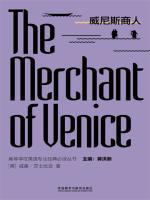
The Merchant of Venice is one of Shakespeare’s most complex and
unsettling plays. On the surface, it ends like a comedy: lovers are
united, a clever heroine saves the day, and the villain is punished. But
after reading it, I felt more troubled than satisfied. The
character that stayed with me the most is Shylock, the Jewish
moneylender. He is bitter and revengeful, demanding a pound of Antonio’s
flesh. Yet Shakespeare gives him a voice that exposes the cruelty of the
society around him. When Shylock asks, “Hath not a Jew eyes?” he reminds
us that he is human – he feels pain, humiliation, and anger. He is not
born a monster; he is made into one by years of abuse. This makes the
play’s ending deeply unfair. Shylock is forced to convert to
Christianity and loses everything, while the Christians who mocked him
walk away victorious. Portia is often praised as a brilliant
heroine, and indeed her speech on mercy is beautiful. But the mercy she
preaches is never truly given to Shylock. This hypocrisy is the play’s
darkest truth. Shakespeare does not offer easy answers; instead, he
forces us to question who the real villain is. Is it Shylock, who
demands justice? Or is it a society that preaches love but practices
hate? In the end, The Merchant of Venice is not a simple comedy
about love and friendship. It is a sharp, painful reflection on
prejudice, revenge, and the limits of mercy. It leaves the reader
wondering: can justice ever be truly fair when the law is written by the
powerful?

 京公网安备 11010802032529号