

Reflection
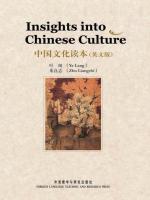
"A Reader of Chinese Culture" is a vivid and structured window into the soul of Chinese civilization, organizing its rich heritage into four core sections—Wisdom and Beliefs, Creativity and Exchange, Art and Aesthetics, and Folk Customs. Unlike fragmented cultural introductions, this book weaves philosophical ideas, historical exchanges, artistic masterpieces, and daily traditions into a coherent narrative, making it a compelling guide for anyone seeking to understand China’s cultural roots. After reading it, I not only gained factual knowledge but also developed a profound appreciation for how Chinese culture has evolved through introspection and exchange, and how it remains alive in both ancient traditions and modern life.
The first section, Wisdom and Beliefs, struck me as the foundation of Chinese cultural identity. Confucius’ thought on the harmony between heaven and humanity reveals the Chinese emphasis on moral responsibility and social harmony, while Laozi’s philosophy of non-action (wu-wei) teaches respect for nature’s inherent order—two ideas that still shape how Chinese people view their place in the world. What surprised me most was the inclusion of Sunzi’s Art of War, which the book frames not just as a military text but as a work of strategic wisdom applicable to life and society. The chapter on the Temple of Heaven further illustrates how spiritual reverence and ecological awareness are intertwined in traditional Chinese culture, a reminder that China’s "eco-awareness" is not a modern trend but a centuries-old value. These philosophical roots show that Chinese culture is built on a pursuit of balance—between humans and nature, individual and society, action and inaction.
Creativity and Exchange highlights China’s openness and its role in global cultural dialogue, a side often overlooked in simplistic narratives about Chinese culture. The Silk Road, the openness of the Tang Dynasty, and Zheng He’s maritime voyages are vividly presented as testaments to China’s historical willingness to connect with the world. The book makes it clear that Chinese culture has never been isolated: the Silk Road brought not just goods but also religions, art, and ideas from Central Asia and beyond, while the Tang Dynasty’s capital Chang’an became a melting pot of cultures from across Asia. Even iconic symbols like the Great Wall and the Forbidden City are not just symbols of isolation or imperial power—they are feats of engineering that reflect China’s ability to blend creativity with practicality, and to absorb influences while preserving its own identity. This section reshaped my understanding of Chinese culture as a dynamic, exchange-oriented system rather than a static relic of the past.
The Art and Aesthetics section is a celebration of China’s creative spirit, showcasing how art is not just decoration but a reflection of cultural values. From the poetic symbolism of Chinese characters to the flying strokes of calligraphy and the charm of ink wash painting, each art form carries a deeper meaning: calligraphy is seen as a mirror of the artist’s character, while ink wash painting prioritizes "capturing the spirit" over literal representation. Chapters on bronzeware, the Terracotta Army ("A Silent Army"), and porcelain further reveal China’s mastery of craftsmanship and its reverence for history. Beijing Opera and folk arts add a lively, performative dimension, showing that Chinese aesthetics are not limited to elite art but are embedded in popular culture. What I loved most about this section is how it connects art to daily life—porcelain, for example, is called "a calling card of Chinese culture" because it was shared with the world through trade, bridging artistic expression and global exchange.
Finally, the Folk Customs section grounds Chinese culture in the lived experiences of ordinary people, making it relatable and human. From urban customs in different regions to Beijing’s traditional festivals, Chinese cuisine, and tea culture, the book shows that culture is not just in temples or palaces but in family gatherings, street food, and daily rituals. The chapter on "Life with Fragrant Tea" beautifully captures how tea is more than a beverage in China—it is a practice of mindfulness and hospitality, a way to connect with others and find peace in daily life. Chinese cuisine, with its diverse flavors and regional styles, reflects the country’s geographical diversity and cultural integration, while traditional costumes and courtyard residences reveal the practical wisdom and aesthetic tastes of ordinary Chinese people. This section reminds readers that culture is alive, shaped by the people who live it every day.
In conclusion, "A Reader of Chinese Culture" is more than a cultural textbook—it is a journey through China’s past and present, showing how its philosophy, creativity, art, and customs are interconnected and enduring. The book’s structure makes complex ideas accessible, and its focus on both grand historical themes and small daily traditions gives a holistic view of Chinese culture. What I take away most is the realization that Chinese culture is defined by balance: balance between tradition and innovation, isolation and exchange, individual and community. In a globalized world where cultural understanding is more important than ever, this book is an invaluable resource for building bridges between cultures, and it has inspired me to explore even more about China’s rich and diverse heritage.

 京公网安备 11010802032529号