

The Illusory America
用户830000
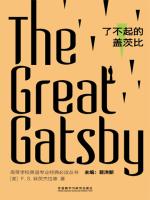
The Illusory American Dream in The Great Gatsby: A Tragedy of Obsession
and Disillusionment F. Scott Fitzgerald’s magnum opus The Great Gatsby
stands as a timeless critique of the Jazz Age, weaving a poignant
narrative around the fragility of the American Dream and the emptiness
of materialistic pursuit. Through the enigmatic figure of Jay Gatsby,
Fitzgerald peels back the glittering facade of 1920s America, exposing a
society adrift in moral decay and hollow ambition. Gatsby, a self-made
millionaire with a shadowed past, embodies the quintessential
dreamer—his life is a meticulously crafted illusion built on the
desperate desire to reclaim his lost love, Daisy Buchanan. His lavish
parties, ostentatious wealth, and relentless pursuit of social
acceptance are not ends in themselves, but means to win Daisy’s heart, a
symbol of the privileged world he so fervently aspires to join. Yet
Fitzgerald masterfully reveals the futility of Gatsby’s quest: Daisy,
with her “voice full of money,” proves to be as shallow and transient as
the dream she represents. Her inability to reciprocate Gatsby’s
unwavering devotion, coupled with the callous indifference of the
Buchanan class, seals his tragic fate. What elevates the novel to a
literary masterpiece is Fitzgerald’s exquisite prose and symbolic depth.
The green light at the end of Daisy’s dock, a recurring motif, becomes a
powerful metaphor for the unattainable American Dream—glimmering,
alluring, yet forever out of reach. The Valley of Ashes, a desolate
wasteland between West Egg and New York City, serves as a stark contrast
to the opulence of the wealthy, symbolizing the moral and social decay
lurking beneath the nation’s prosperity. Through Nick Carraway’s nuanced
narration, Fitzgerald offers a detached yet compassionate lens, allowing
readers to witness Gatsby’s tragedy with a mix of admiration and sorrow.
Beyond its vivid portrayal of the Jazz Age, The Great Gatsby resonates
across generations for its exploration of universal themes: the
destructive power of obsession, the gap between illusion and reality,
and the loss of innocence in a world driven by greed. Gatsby’s
“extraordinary gift for hope” and his refusal to accept the impermanence
of the past make him a tragic hero—one who dares to dream, even when the
dream is destined to crumble. In essence, The Great Gatsby is more
than a novel about love and loss; it is a searing indictment of a
society that equates success with wealth and status, and a profound
meditation on the human tendency to cling to idealized versions of the
past. Fitzgerald’s lyrical writing, complex characters, and timeless
themes ensure that the novel remains a cornerstone of American
literature, challenging readers to reflect on the true meaning of the
American Dream and the cost of chasing illusions.

 京公网安备 11010802032529号